
Sammamish consistently ranks among the best—and most expensive—places to live in Washington.
Known for its award-winning schools, low crime, and postcard-worthy neighborhoods tucked along the Plateau, this Eastside city attracts buyers who are prioritizing lifestyle as much as location. But that quality of life comes at a cost.
For buyers relocating from out of state—or even from Seattle proper—the sticker shock can be real. Housing, utilities, and daily expenses here don’t behave like national averages, and first-time buyers are often surprised by a few “hidden” costs unique to the Plateau.
Before you fall in love with tree-lined streets and lake access, it’s important to understand the true Sammamish, WA cost of living and how it impacts your monthly budget.
How Much Does It Cost to Live in Sammamish, WA
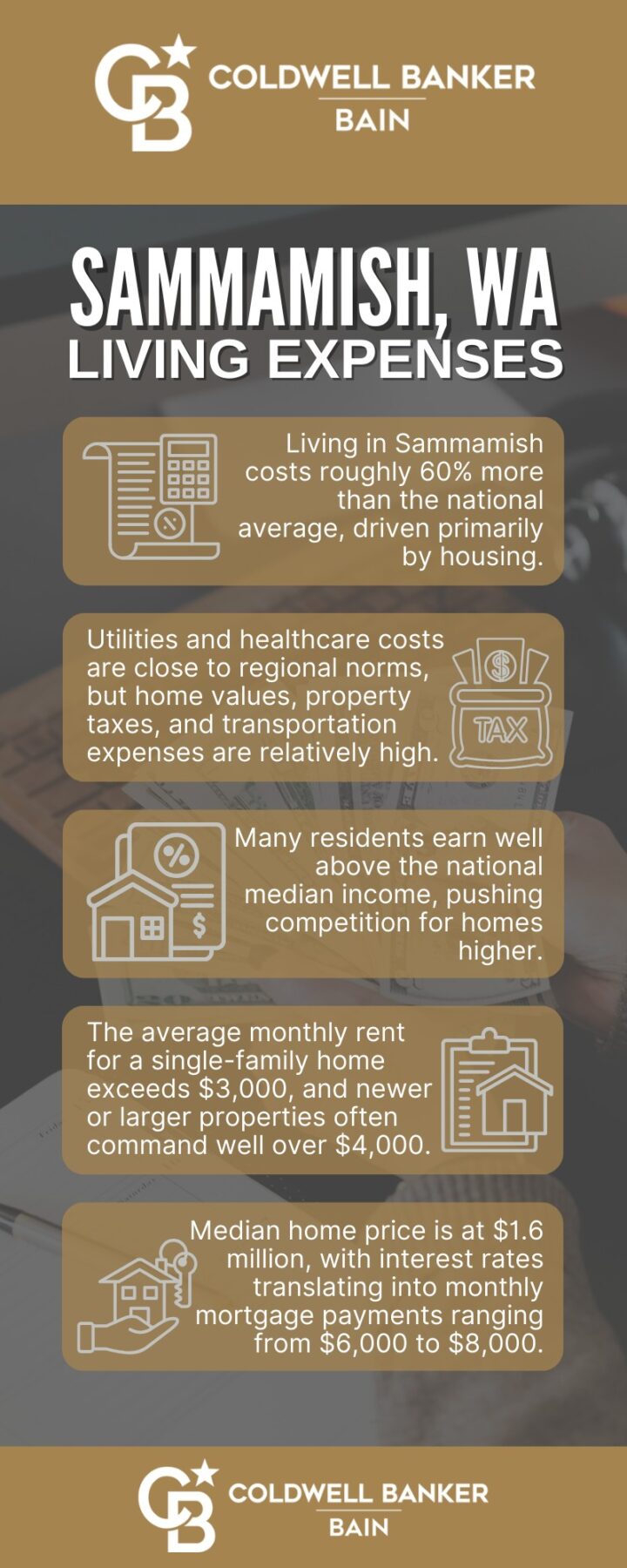
Living in Sammamish costs roughly 60% more than the national average, driven primarily by housing.
While utilities and healthcare track close to regional norms, high home values, elevated property taxes, and transportation costs mean households need a high income to live comfortably.
Why Is Sammamish So Expensive
One of the simplest answers to “Why is Sammamish so expensive?” is income concentration.
Sammamish sits within a short commute of Redmond, Bellevue, and Kirkland—home to Microsoft, Amazon satellite offices, Meta, Google, and dozens of high-paying tech employers.
Many residents earn well above the national median income, which pushes competition for homes higher and establishes a “price floor” that rarely softens, even during slower markets.
When high earners compete over limited inventory, prices don’t just rise—they stay elevated.
Unlike Seattle’s denser neighborhoods, Sammamish was built with space in mind. Larger lots, fewer multifamily developments, and strict zoning regulations limit how much housing can be added.
The Plateau’s semi-rural feel is intentional—and protected—which keeps supply constrained and property values high compared to denser Eastside cities.
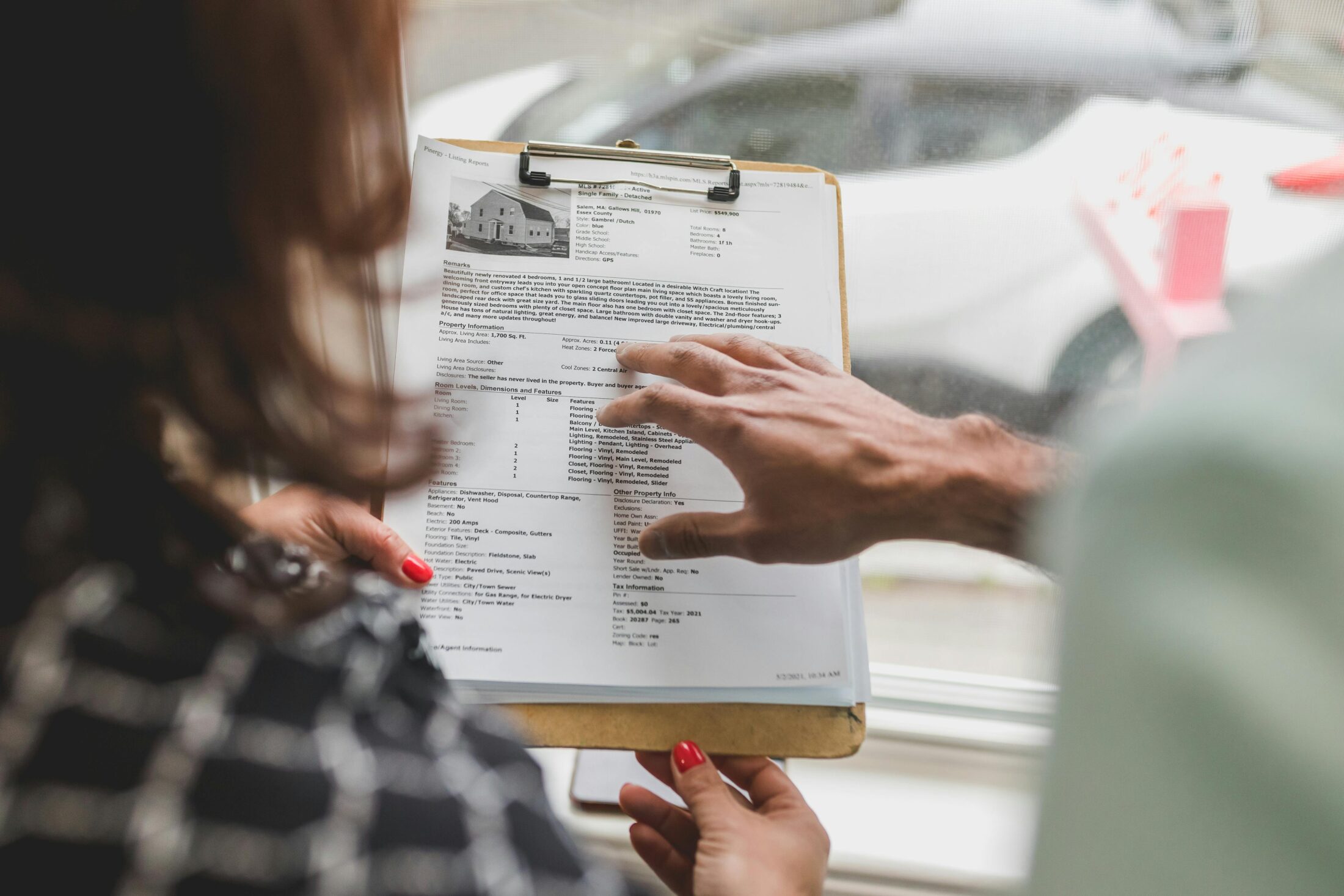
What Are the Monthly Housing Expenses in Sammamish
In Sammamish, housing costs quickly become the largest line item in most household budgets.
The average rent in Sammamish, WA, for a single-family home frequently exceeds $3,000 per month, and newer or larger properties often command well over $4,000.
For buyers, the financial commitment is even steeper: with median home prices now north of $1.6 million, current interest rates translate into typical monthly mortgage payments ranging from roughly $6,000 to $8,000—before factoring in property taxes and homeowners’ insurance.
This creates a wide gap between renting and buying, but both options land well above regional averages.
Washington’s lack of a state income tax often gets headlines, but that revenue has to come from somewhere. In Sammamish, high assessed home values mean property tax bills are substantial.
While King County rates themselves are moderate, the valuation base is high enough that annual taxes routinely exceed what buyers expect—especially those moving from states with lower home prices.
Hidden Costs: Utilities and Commuting
Water District Fees
One cost many buyers don’t anticipate is the Sammamish Plateau Water District fees. Because Sammamish sits at a higher elevation, water must be pumped uphill rather than gravity-fed like in many incorporated cities.
That infrastructure requirement results in higher water and sewer bills compared to nearby areas, making utilities a meaningful line item in your monthly budget.
Commuting Costs
Even though Sammamish feels tucked away, most residents commute off the Plateau for work.
Commuting costs to Redmond/Bellevue add up quickly when you factor in fuel, vehicle maintenance, insurance, and potential tolls—especially for drivers crossing the SR-520 bridge daily.
While the drive is manageable, it’s not inexpensive, and it should be accounted for when evaluating total monthly expenses.
Cost Comparison Table
Here’s a snapshot of how Sammamish compares to national averages and what most households can expect to budget monthly:
| Expense Category | Sammamish vs National Avg | Estimated Monthly Cost |
|---|---|---|
| Housing | Very High (+130%) | $4,500 – $8,000+ |
| Utilities | Moderate (+10%) | $300 – $500 |
| Transportation | High (Gas/Ins) | $200 – $400 |
| Groceries | High (Eastside Pricing) | $600 – $900 |
This table illustrates what locals often call the “Plateau Premium”—you’re paying more across the board, but especially for housing.
Frequently Asked Questions
Housing prices in Sammamish are often comparable to Bellevue, but Bellevue’s denser housing options can offer more price variety. Sammamish tends to skew higher for single-family homes.
Most households need a six-figure income—often well above $200,000 combined—to comfortably manage housing, taxes, and daily expenses.
Most households spend between $300 and $500 per month, depending on home size and water usage.
Generally no. Most of Sammamish sits outside FEMA flood zones, though lakefront properties may have different requirements.
Inventory is limited. Townhomes and older properties may offer lower entry points, but true affordability is relative.
Rates are similar, but Sammamish homeowners often pay more due to higher assessed home values.
Sales tax is approximately 10%, consistent with other Eastside cities, though exact rates can vary slightly year to year.
Key Takeaway: Budget for the Plateau
The cost of living in Sammamish, WA, is best understood as an investment in lifestyle.
Residents willingly pay higher Sammamish monthly housing expenses, property taxes, and utility costs in exchange for safety, top-rated schools, access to nature, and a strong sense of community.
Success here means budgeting beyond the mortgage—factoring in water district fees, commuting costs, and the long-term realities of Plateau living.
If you’re considering a move to Sammamish and want a clear, honest breakdown of what your budget should look like—before you make an offer—let’s talk. I help buyers run real numbers, not just online estimates, so there are no surprises after closing.
You can reach me directly at (206) 590-6316 or email amanda.wright@cbrealty.com to start a conversation that’s grounded, practical, and tailored to your goals.